


WINGSForum 2026 | ACT
The theme of WINGSForum 2026, ACT, reflects the urgent need for philanthropy to move from intention to practical action in response to the profound challenges facing people and the planet.
We have no shortage of analysis, dialogue, or evidence. What we need now is coordinated and practical action.
Across our field and societies, we feel a growing sense that we now need to act with urgency, courage, and hope. We know that if we want to see change in our economic, governance, cultural, and ecological systems, philanthropy must also change. And we know what it requires: acting as an equal partner alongside communities and those leading change on the ground; aligning our resources with purpose; committing to long-term, holistic approaches; working across sectors with ambition and humility; addressing root causes rather than symptoms; and strengthening the networks and relationships that make collective action possible.
Now is the time to act.
Building on the work of past WINGSForums, this year’s edition will support participants in identifying practical levers for individual and collective action, and in strengthening their ability to shape organisations, practices, and partnerships toward the change we want to see.
The programme will offer inspiration and practical tools, create space for honest dialogue, encourage concrete commitments, strengthen relationships, and advance shared priorities.
WINGSForum 2026 will welcome a broad range of people working in and around philanthropy who are committed to strengthening its role in society. Participants will engage with ideas and practices emerging across regions that can help philanthropy respond in ways that are thoughtful, coordinated, and effective.
Activate
Awakening collective will
Too often, even our best intentions stall when barriers keep us from taking action at the scale this moment demands. Philanthropy’s independence and flexibility are strengths that enable it to catalyse collaboration and provide meaningful support to communities. But in the current global context, these strengths risk becoming our weaknesses if short-term delivery, neutrality, and fragmentation take precedence over courageous, coordinated action.
This pathway explores how philanthropy can move from intention to impactful action by reclaiming collective will and expanding how we shape the conditions that enable change. Through storytelling, advocacy strategy, and policy engagement, we will examine how participants use their voice, influence decision-making, and help protect the civic and institutional space needed for long-term change.
Grounded in today’s socio-political and geopolitical realities, participants will reflect on deep questions for our field: How do we cultivate the conditions that foster change and strengthen accountability? How do we unlock political will, conditions, and incentives to influence a positive transformation? What risks and responsibilities is philanthropy willing to take? What role should philanthropy play in shaping governance and public policy, and how can it do so with transparency and accountability? Participants will examine how intentions translate into practice, how to overcome challenges, and how to activate levers to action—both practical and strategic, individual and collective—that will lead to impact, resilience, and positive transformation.


Collaborate
Moving from alignment to joint action
Philanthropy has a unique advantage in leveraging its independence, flexibility, networks, and convening power to enable others and support collaboration. This includes supporting community organisations, peers, and partners across sectors, including government and business, to contribute to change at a greater scale.
This pathway highlights practical approaches to cross-sector collaboration that bring together different sectors, types of organisations, and communities as equal partners in change. It will showcase multi-stakeholder, cross-sector efforts—from cities and public institutions to movements and businesses—and ask how philanthropy can engage alongside others without lowering its ambitions or stepping away from difficult conversations.
Discussions will explore what helps collaboration succeed in real settings: how power is shared, how communities are centred, how independence and mutual accountability are maintained, what partnership and financing models support joint ownership, and how shared goals can translate into shared action on challenges no single actor can address alone.
Participants will also reflect on the enabling conditions for these innovations to spread and become the norm.
Transcend
Strengthening the ecosystems for sustained impact
For collective will to translate into sustained action, and for collaboration to take root and grow, philanthropy needs strong support systems: organisations, networks, and knowledge systems that ensure effective action over the long term. Recent disruptions to aid systems and the shrinking of civic space have shown how essential philanthropy support ecosystems are to moving resources to communities, strengthening the resilience and independence of local actors and social purpose organisations, and enabling the sector to learn, adapt, and respond at the pace today’s crises of inequality, climate and environmental collapse, tech disruption, and democratic backsliding demand.
This pathway will explore questions such as: What does a resilient and adaptive philanthropy ecosystem capable of driving systems change look like? How can philanthropy move from funding isolated initiatives to enabling aligned, system-wide impact? What capabilities, institutions, and partnerships must we strengthen to sustain long-term transformation? How can philanthropy unlock greater resources while deepening lasting social impact?
This pathway draws on Indigenous and grassroots perspectives and explores how we can transcend siloes and move towards true ecosystem thinking and action, rooted in contribution rather than attribution, reciprocity, holistic impact, place-based approaches, and local accountability.


The Garden of Experimentation
Personal reflection is an important part of individual and collective action. Our ability, as people working in philanthropy today, to move from intention to action depends on our willingness to reflect and to integrate new ways of seeing into our everyday decisions.
The Garden of Experimentation is a dedicated space for each individual to reflect deeply on what we have learned and been exposed to, and to explore the dilemmas and inspirations this introduces into our work.
Through the Garden of Experimentation, WINGSForum 2026 will include a dedicated space for participants to pause, learn, and reconnect with their own motivations and leadership journeys.
Programme details
Watch WINGSForum 2026 live
Can’t join us in Montréal? We’ll be livestreaming all Collective Moments from 28–30 September on the WINGS YouTube channel.
Check the programme below for livestreamed sessions and timings.
All programme times are Eastern Time (ET).
Loading…
Speakers
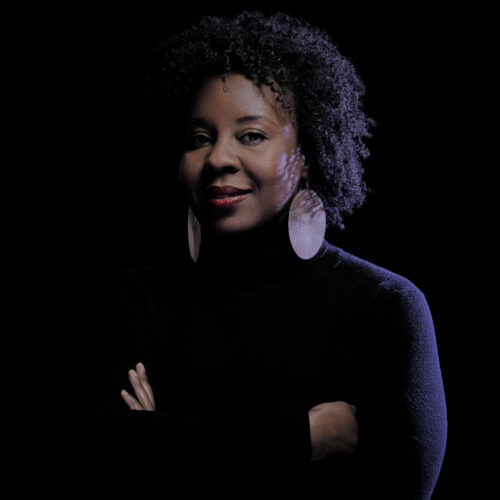
Dorothy Rhau (Master of Ceremonies)
Founder and CEO
Audace au Féminin
Dorothy Rhau is an entrepreneur, ecosystem builder, and founder of Audace au Féminin. Recognised by the National Assembly of Québec with the Femmes Engagées distinction, she is known for turning courageous conversations into collective action and building bridges that create inclusive economic opportunities and lasting social impact across communities, sectors, and borders.
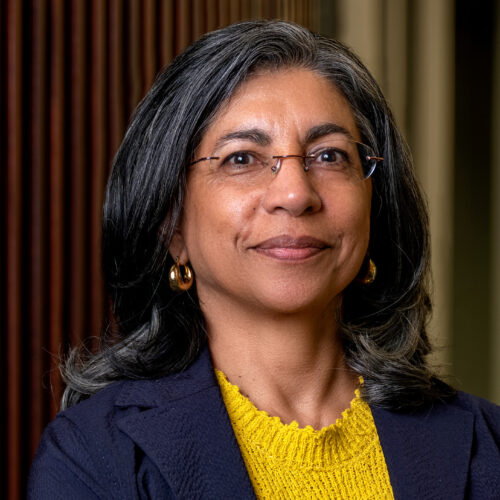
Binaifer Nowrojee
President, Open Society Foundations
WINGSForum Presenting Partner
Binaifer Nowrojee is the president of the Open Society Foundations, the world’s largest private funder working to promote human rights, equity, and justice. Nowrojee, an international human rights lawyer, previously served as vice president leading regional programs, the first regional director for the Asia-Pacific, and the founding director of the East Africa foundation—bringing extensive experience and expertise on the two continents through grant making, advocacy, research, and strategic litigation.
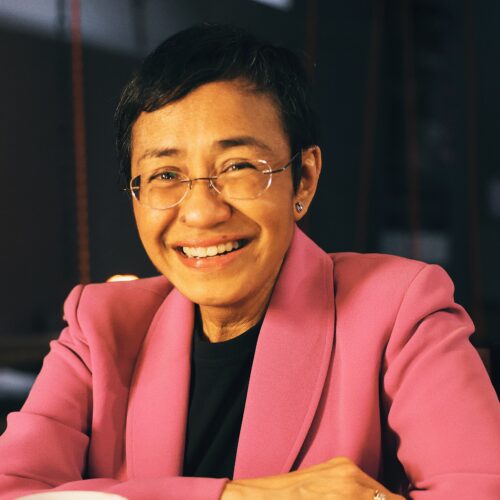
Maria Ressa
Nobel Peace Prize Laureate
Co-Founder and CEO, Rappler
Maria Ressa is the co-founder and CEO of Rappler, a leading digital news site fighting for press freedom in the Philippines. She was awarded the Nobel Peace Prize in 2021 for her efforts to safeguard freedom of expression. In 2026, she was appointed Co-Chair of the UN Independent International Scientific Panel on AI. She is also a Professor of Practice at Columbia University and author of the bestseller How to Stand Up to a Dictator.
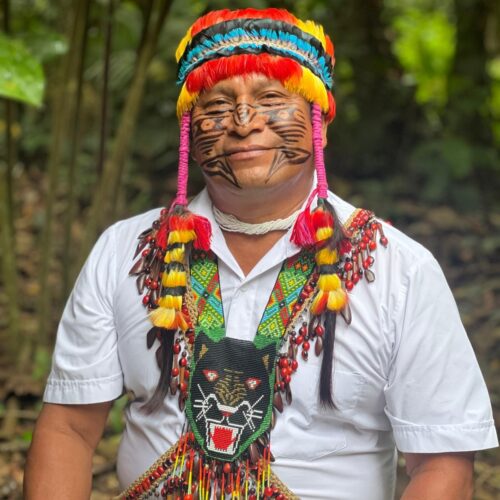
Uyunkar Domingo Peas Nampichkai
President
Amazon Sacred Headwaters Alliance
Uyunkar Domingo Peas Nampichkai is an Achuar leader from Ecuador and President of the Amazon Sacred Headwaters Alliance. With more than 30 years of Indigenous leadership, he co-founded the Living School of the Amazon (EVA) and has held leadership roles across the Indigenous movement. In 2025, he received the WIN WIN Award.

Dimple Abichandani
Author
A New Era of Philanthropy: Ten Practices to Transform Wealth Into a More Just and Sustainable Future
Dimple Abichandani is a philanthropic advisor, author and social justice lawyer whose work is reshaping how foundations and donors understand their role in this moment of democratic crisis and accelerating inequality. Her book, A New Era of Philanthropy: Ten Practices to Transform Wealth Into a More Just and Sustainable Future offers a reimagined framework for how philanthropy can move from mitigating the harms of unjust systems to transforming these systems. Published in 2025, the book has sparked conversation across the field and in of democratic crisis and accelerating inequality.

Heba Aly
Director
Article 109 (formerly UN Charter Reform Coalition)
Heba Aly is the Director of the Article 109 Coalition, a civil society coalition advocating for renewing the UN Charter. Heba is Egyptian-Canadian and the former CEO of The New Humanitarian, which she ran following a decade spent reporting on conflict zones. She was previously recognised as one of the 100 Young Global Leaders under 40 by the World Economic Forum. Heba is the facilitator of ODI’s dialogue series, Donors in a Post-Aid World and sits on the board of Trócaire as well as the advisory committee of the Lancet Commission on Health, Conflict & Forced Displacement. Her TEDx Talk encourages us to “stop eating junk news”.

Rodrigo Pipponzi
Founder and Chairman
Instituto ACP and Instituto MOL
Graduated in Business Administration, with specialisations at Stanford and Harvard, Rodrigo Pipponzi is chairman of Grupo MOL and founder and chairman of Instituto ACP and Instituto MOL. He is a board member of Raia Drogasil (RD)’s Sustainability Committee and IDIS in Brazil.

Namatai Kwekweza
Founder
WELEAD Africa
Namatai Kwekweza is a human rights activist, constitutionalist, and youth empowerment advocate. She is the founder of WELEAD Africa, a youth-led leadership and advocacy organisation operating across Southern Africa. Through her work, she promotes democratic governance, civic participation, and constitutional integrity. Her approach combines grassroots mobilisation, policy advocacy, leadership development, rights education, and digital activism. Namatai has impacted thousands of young Africans by equipping them with tools and platforms for leadership. Her work has also influenced regional and international policy conversations on democracy and human rights. She is the recipient of several honours, including the 2025 German Africa Prize and the inaugural Kofi Annan NextGen Democracy Prize (2023).
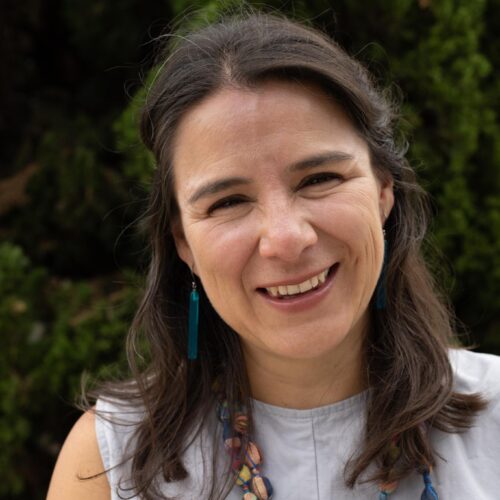
Valeria Scorza
CEO
Fundación Avina
Valeria Scorza (she/her) is the CEO of Fundación Avina, bringing a strong human rights background and a commitment to intersectional, gender-informed programming that emphasizes Global South perspectives and locally led initiatives. Alongside her team, she spearheads Fundación Avina’s mission to build transformative partnerships and alliances with civil society, private donors, international cooperation entities, and corporations, focusing on sustainable, equity-driven solutions.

Noorain Khan
Vice President & Chief Innovation Officer
Ford Foundation
Noorain Khan is Chief Innovation Officer of the Ford Foundation, where she drives the foundation's innovation strategy and commitment to accelerating social sector impact. She previously spent nearly a decade at Ford, where she built the first-ever discretionary program team, led Ford’s journey to become the world's largest private funder of disability rights, and helped spearhead Ford's historic $1 billion social bond during the COVID-19 crisis.
Noorain was elected National Board President of Girl Scouts of the USA for the 2023-2026 triennium, where she led its 1.8 million members and drove historic efforts in strategy, governance, and inclusion.
Noorain earned a JD from Yale Law School as a PD Soros Fellow, an MPhil from Oxford as a Rhodes Scholar, and a BA from Rice University. She began her career at Wachtell, Lipton, Rosen & Katz and served as a Senior Policy Advisor at the White House.
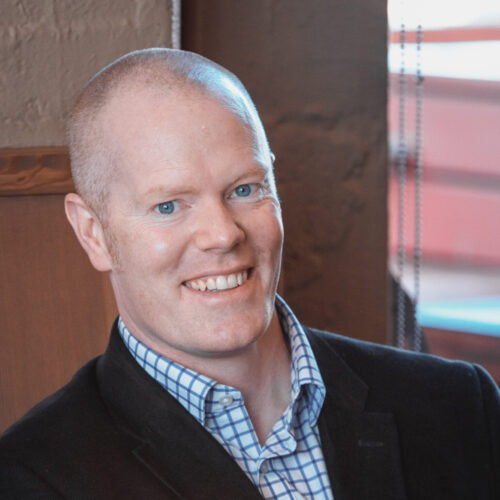
Chris Worman
Chief Global Strategy & Partnership Officer
GivingTuesday
Chris is the Chief Global Strategy & Partnership Officer at GivingTuesday and has been working in civil society since 1998. He builds global alliances for tech and social change, examining the role of civil society, philanthropy and infrastructure organisations in an era of converging megatrends.
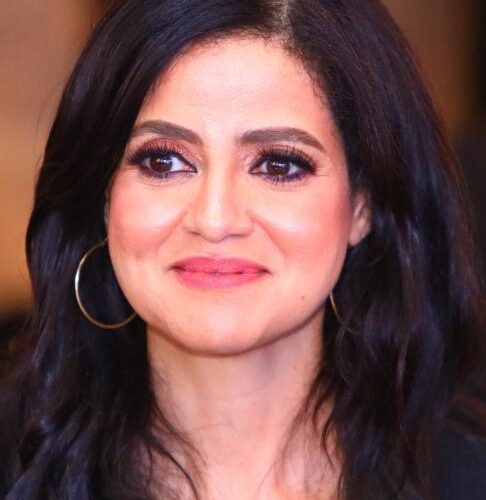
Marwa El Day, PhD
Assistant Professor, Public Policy and Administration Department
American University in Cairo
Dr. Marwa El Daly is a scholar, social entrepreneur and philanthropy practitioner specialising in waqf, strategic philanthropy and sustainable development. She is Founder and Chair of Waqfeyat Misr Foundation and teaches at The American University in Cairo. Her international recognition includes the BBC 100 Women and African Philanthropy Award.
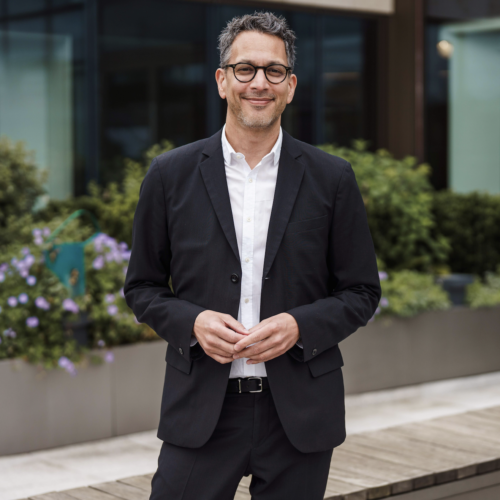
Michael Mapstone
CEO
Anglo American Foundation
Michael Mapstone has more than 20 years’ experience in civil society and international development. Prior to joining the Anglo American Foundation, he held senior roles at the Charities Aid Foundation, Commonwealth Secretariat and VSO, leading global partnerships, stakeholder engagement and philanthropic initiatives across diverse international settings.
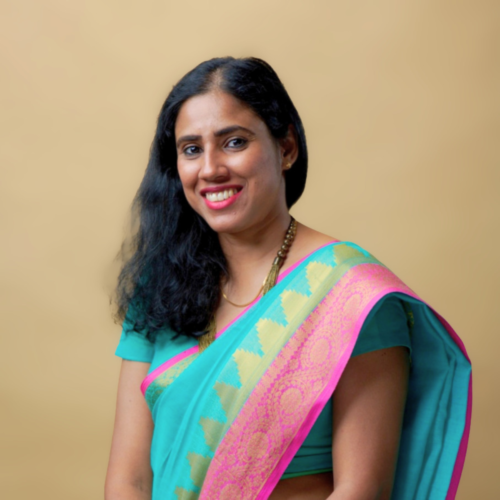
Kaushalya Ruwanthika Ariyathilaka
Manager - Programmes and Grants
Neelan Tiruchelvam Trust
As Manager – Programmes and Grants at the Neelan Tiruchelvam Trust (NTT), a locally rooted grantmaker in Sri Lanka, Kaushalya works to advance locally led and participatory grantmaking, strengthen and shape ecosystems for civic action, promote and protect human rights, and create equitable access to resources for community-based organisations.
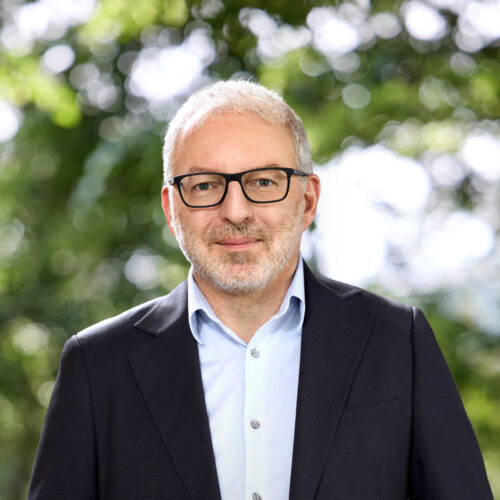
Karel Mayrand
Chief Executive Officer
Trottier Family Foundation
Karel Mayrand is CEO of the Trottier Family Foundation. Previously, he was President and CEO of the Foundation of Greater Montréal, headed the David Suzuki Foundation's Quebec activities for over a decade, and chaired Al Gore's Climate Reality Project in Canada. He is a contributor to L'Actualité and La Presse, and author of several books on sustainability.
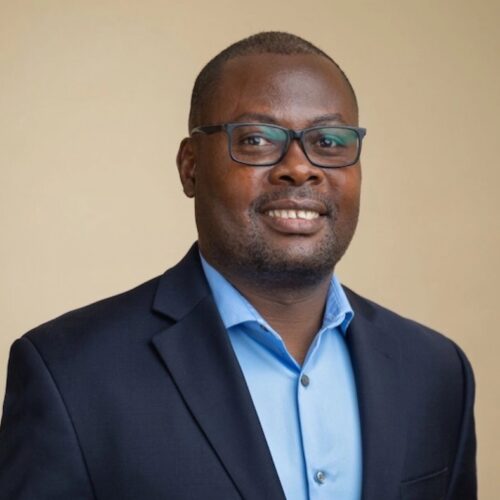
Dr. Tendai Murisa
Executive Director
Sivio Institute
Tendai Murisa is the Founder and Executive Director of SIVIO Institute, a Pan-African social enterprise advancing inclusive development. A researcher and practitioner, he focuses on citizen agency, philanthropy, public policy, and social innovation. His work explores African-led solutions that strengthen civic participation, philanthropy ecosystems and sustainable development across the continent.

Nino Ugrekhelidze
Executive Director
Dalan Fund
Nino Ugrekhelidze is a resource justice activist from Tbilisi, Georgia. She leads the Dalan Fund that resources social justice movements across Central and Eastern Europe, the Caucasus, and Central and North Asia. For the past 15 years, she has been working on human rights and humanitarian crises and emergencies, moving resources to frontline crisis responders, and enabling critical movement infrastructure in restrictive and authoritarian contexts.
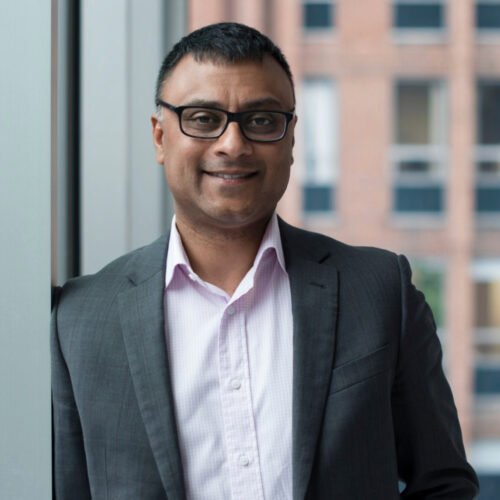
Andrew Chunilall
CEO
Community Foundations Canada
Andrew joined Community Foundations Canada in 2013 and became CEO in 2017, following a six-year tenure as Vice-President of Finance for the London Community Foundation. Andrew is working closely with the Community Foundations of Canada Leadership team, Board and foundations in Canada and abroad to help the philanthropic sector transform, innovate and meet the new challenges and opportunities of the 21st century. An increasingly active public speaker, Andrew is helping raise awareness for how the philanthropic sector’s convening power, leadership and action can help Canadian communities reach their full potential. With a background in education in economics and commerce, Andrew has been highly active in the nonprofit community for 20 years. He served as chair, vice-chair and treasurer on different boards, including WINGS, Forward Global, The Philanthropy Workshop. He supported different philanthropic networks and foundations leadership and investment committees, including Coalition for Innovation Leaders Against Racism, Indigenous Peoples Resilience Fund, Foundation for Black Communities, Coalition for A Better Future. Participated as one of 250 emerging leaders in the 2015 Governor General’s Canadian Leadership Conference.
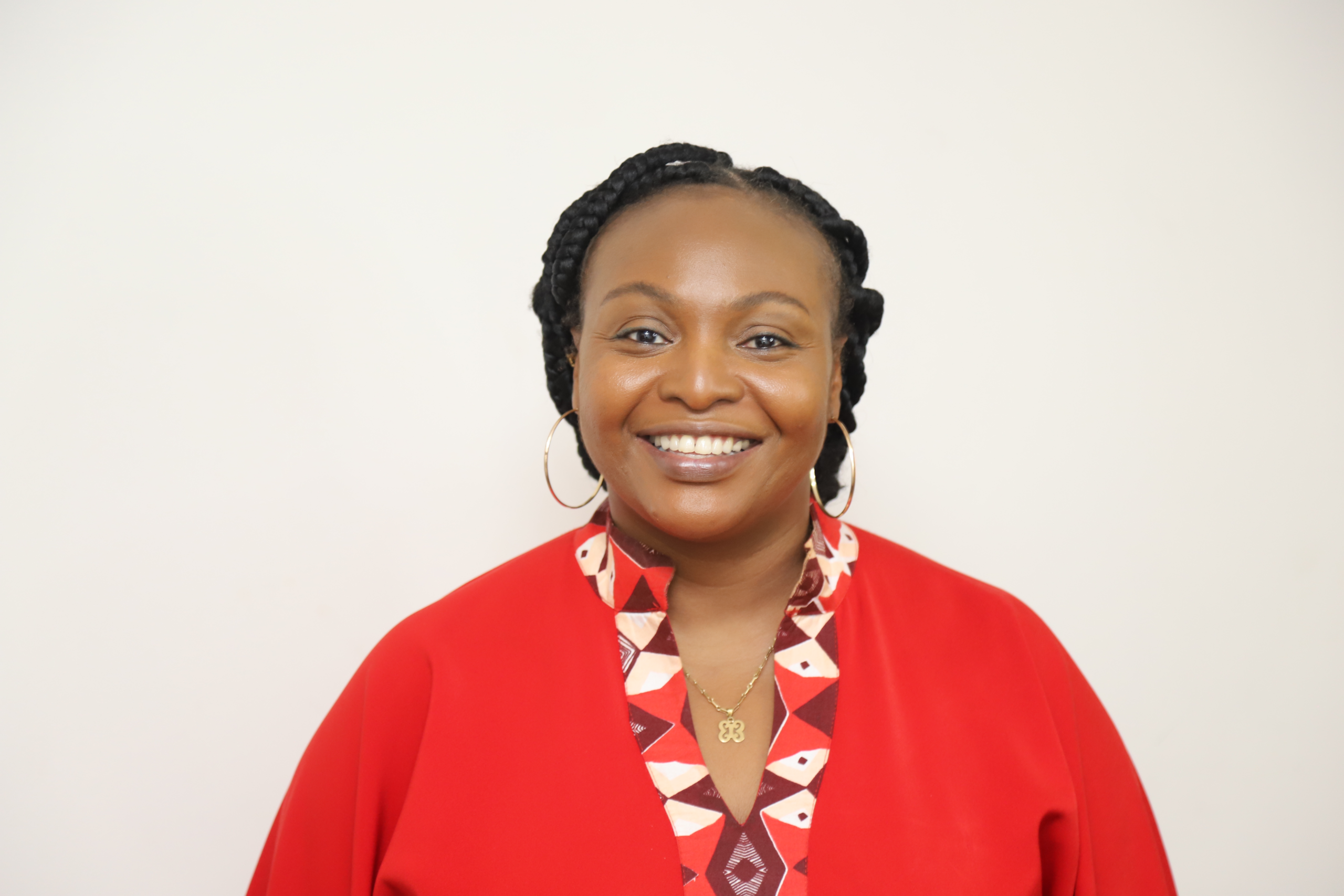
Nana Asantewa Afadzinu
Executive Director
West Africa Civil Society Institute (WACSI)
Nana Asantewa Afadzinu, the Executive Director of the West Africa Civil Society Institute (WACSI), has worked with and within the civil society sector for the past 26 years. She is a passionate advocate for sustainable development in Africa with the full participation of an effective, efficient, influential, and sustainable civil society. Her passion for leading change and challenging the Status Quo on the continent recently landed her a place on the Avance Media 2020 100 Most Influential African Women List.
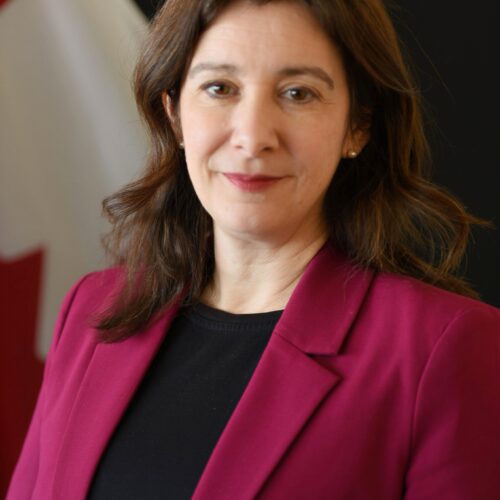
H.E. Patricia Peña
Assistant Deputy Minister – International Assistance Partnerships and Programming
Global Affairs Canada
Patricia Peña leads a multi-faceted team at Global Affairs Canada responsible for the delivery of Canada’s international assistance, and increasing impact, innovation and engagement with a wide range of partners, including in the areas of development finance, and social and economic development. She has a rich and long-standing history working with Canadian, multilateral, civil society, private sector, philanthropic and diplomatic partners globally.
Since joining the Government of Canada in 2007, she held a number of senior positions at Global Affairs Canada and the Canadian International Development Agency (CIDA). She served as Canada’s Ambassador to Chile (2017-2020), Director General Foreign Policy and Director General Economic Development. From 2007 to 2011, Patricia held various policy and operational positions at CIDA, including as Director Democratic Governance and Human Rights, and Director of Economic Development and Natural Resources.
Prior to joining the Canadian public service, Ms. Peña lived for almost ten years in London, England and worked in various public sector agencies, including the UK Electoral Commission where she oversaw political financing regulation in the United Kingdom.
Patricia Peña has an undergraduate degree in Political Science from the University of Toronto and a Master's degree at the London School of Economics and Political Science.
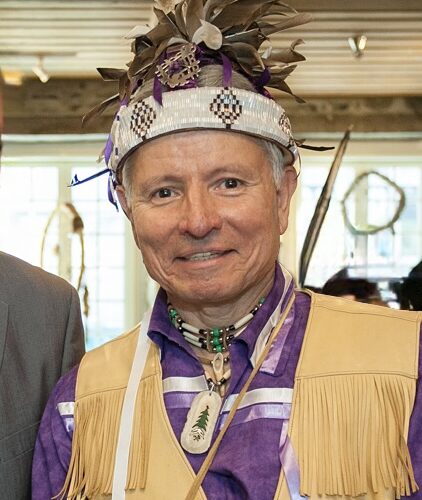
Ka’nasohon Kevin Deer
Elder, Knowledge Keeper and Educator
Kahnawá:ke Mohawk Territory
Ka’nahsohon Kevin Deer is from the Kahnawake Mohawk Territory in Quebec. For more than 30 years, he has been involved in Mohawk language retention and revitalisation and serves as a Faith Keeper at the Mohawk Trail Longhouse, carrying knowledge of sacred songs, dances, speeches and ceremonies. He regularly shares Iroquoian worldview, history, philosophy and Indigenous Knowledge in national and international forums. His work has included ceremonies and presentations at the United Nations, G7 meetings, the Parliament of the World’s Religions and Standing Rock, as well as sharing Indigenous Knowledge with the Prime Minister of Canada’s Youth Council. In 2023, he was appointed a spokesperson for North America at the Eagle, Quetzal and Condor Summit.

Bhekinkosi Moyo
Executive Director
CAPSI – Centre on African philanthropy and social investment, Wits Business School
Bhekinkosi Moyo is the Executive Director of the Centre on African Philanthropy and Social Investment at the University of the Witwatersrand in South Africa.
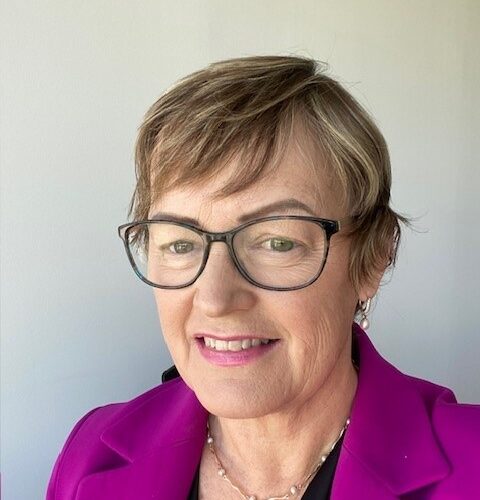
Bairbre Nic Aongusa
Assistant Secretary General in the Department (Ministry) of Rural and Community Development and the Gaeltacht
Government of Ireland
Bairbre Nic Aongusa is Assistant Secretary General in Ireland’s Department of Rural and Community Development and the Gaeltacht, where she leads the Community Development Division. Since 2017, she has overseen government policy on community development, social inclusion, volunteering, philanthropy and charity law, including the development of Ireland’s first National Philanthropy Policy, published in 2023.
Her portfolio also includes social innovation and social enterprise, major community development funding programmes, and governance oversight of Ireland’s Charities Regulator. Prior to joining the Department, Bairbre held senior roles in Ireland’s Department of Housing, Planning and Local Government and spent 20 years in the Department of Health.